

As climate concerns continue to influence global markets, green buildings and eco-friendly communities have become essential components of modern development strategies. Today's buyers are not only looking for beautiful properties but also for homes and workplaces that promote sustainability, wellness, and energy conservation.
The real estate industry is experiencing a major shift toward sustainability as developers, investors, and homeowners increasingly recognize the importance of environmentally responsible construction and community planning. Sustainable real estate development focuses on creating properties that reduce environmental impact while enhancing quality of life, energy efficiency, and long-term economic value.
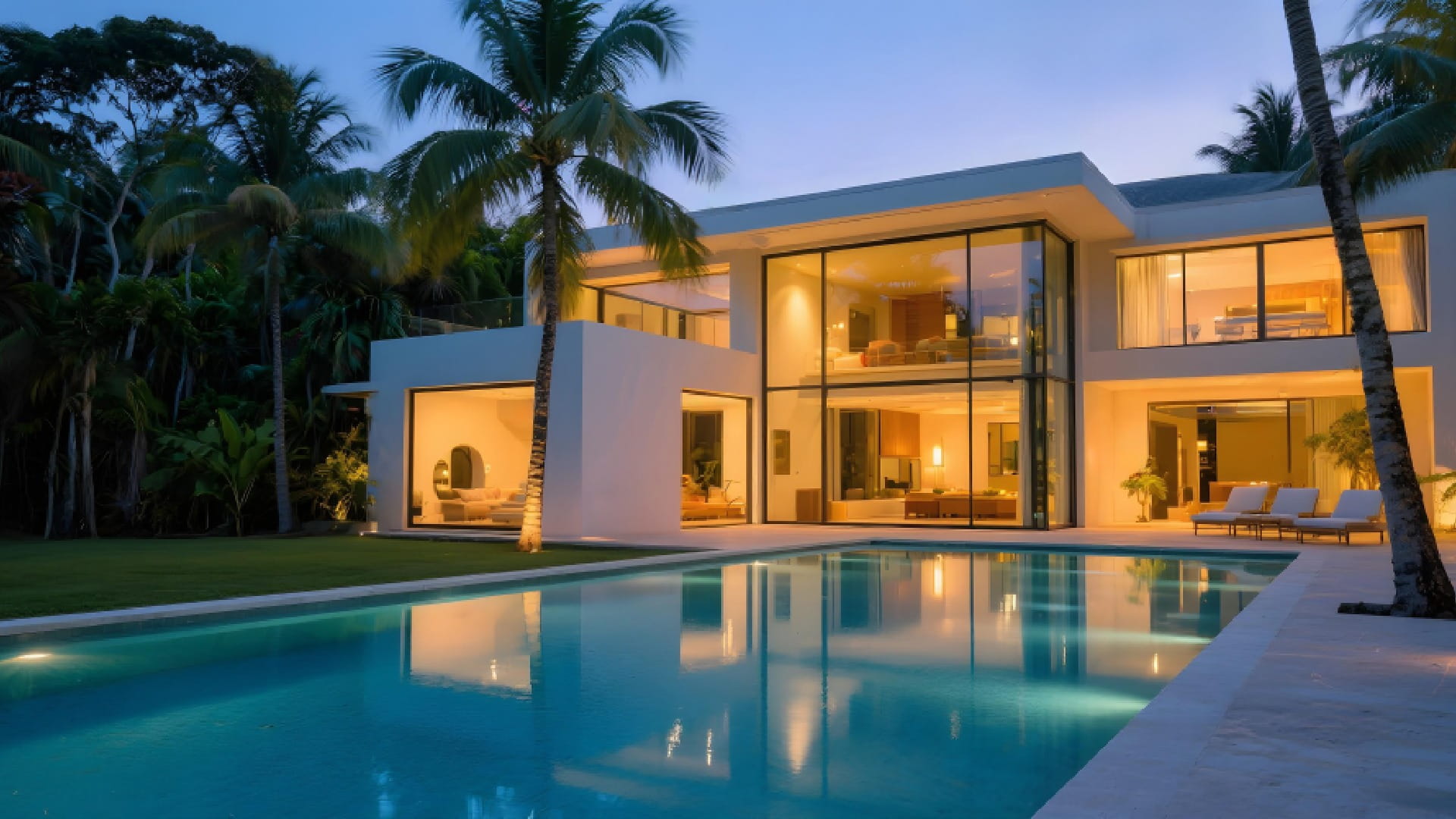
Understanding Sustainable Real Estate Development
Sustainable development involves designing, constructing, and managing properties in ways that minimize environmental harm while maximizing efficiency and occupant comfort. This approach considers the entire lifecycle of a building, from construction materials to energy consumption and waste management.
Developers are increasingly adopting sustainable practices to meet environmental regulations, reduce operating costs, and attract environmentally conscious buyers and tenants.
Core Principles of Sustainable Development
Sustainable real estate development is no longer a niche concept—it has become a fundamental component of modern property development. By integrating energy-efficient systems, renewable energy solutions, smart technologies, and community-focused planning, developers can create properties that deliver long-term value while protecting the environment.
As the industry continues to evolve, sustainability will remain a key driver of innovation, investment, and growth. Developers, investors, and homeowners who prioritize environmentally responsible practices will play an important role in building greener communities and shaping a better future for generations to come.